
Fencing Contractors Serving NSW & QLD
0407707474
Quality Fencing Solutions Built to Last
Protect your property and enhance your outdoor space with expertly installed fences – tailored for residential, commercial, and rural needs.
40+
Years of Experience
10+
Licensed & Insured Professionals
1000's
Of Jobs Completed
Policy
Checked & Service Insured
At North Coast Fencing, we build more than fences — we build trust, privacy, and peace of mind.
FEATURED IN
At North Coast Fencing, we take pride in being recognised for our work and commitment to quality. Our team was recently featured in The Fence Magazine, the official publication of the Fencing Industry Association of Australia, which highlights innovation, skills, and leaders in the fencing and gate industry.
Being included in this publication is an honour and reinforces our mission to deliver reliable, high-quality fencing solutions across the North Coast.
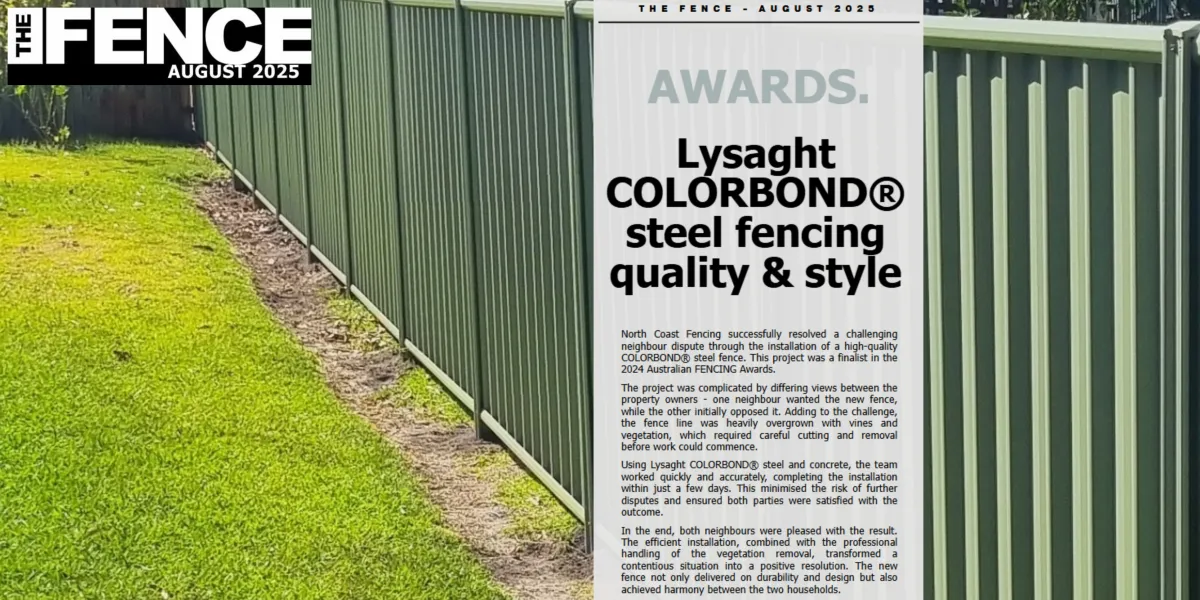
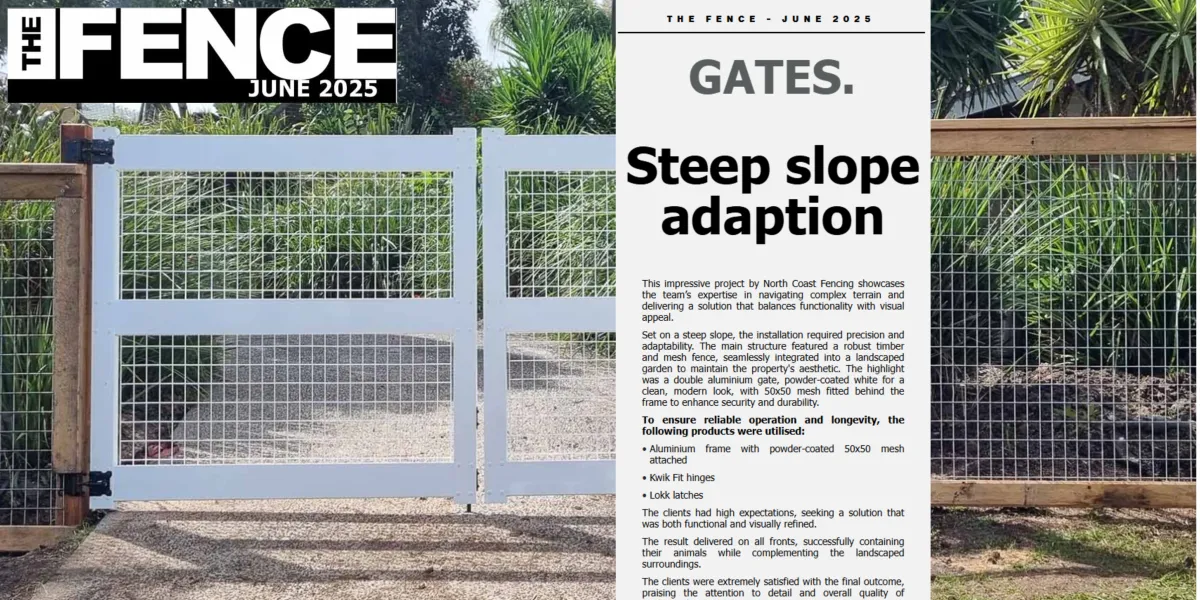
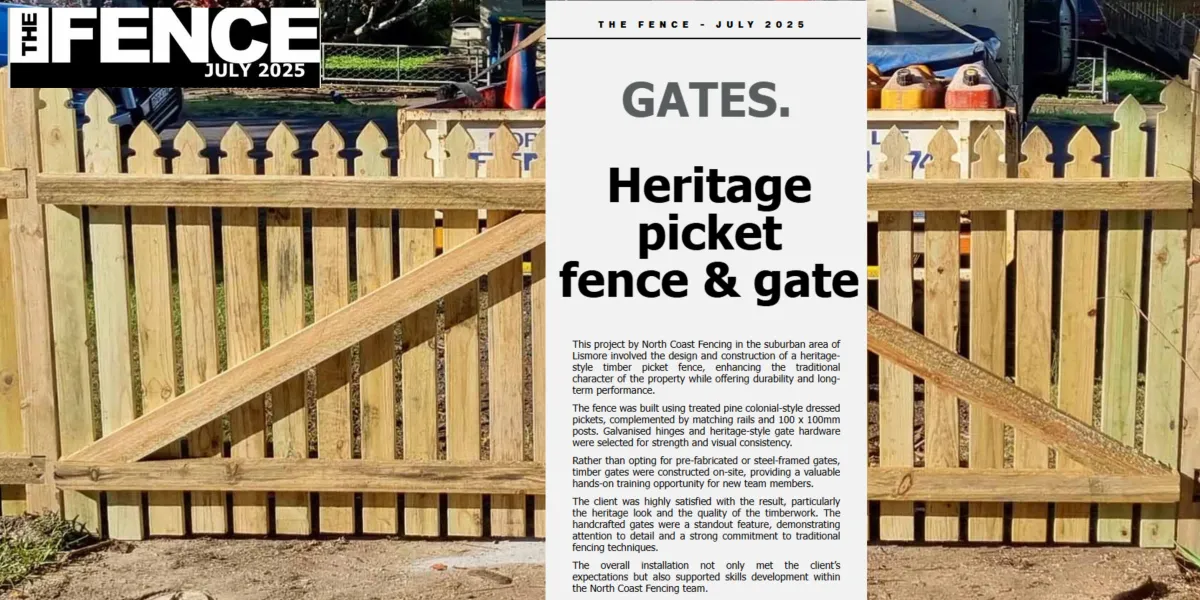
About The Fence Magazine
The Fence Magazine is published by the Fencing Industry Association of Australia and is a leading industry resource covering projects, training, innovation, and news within the fencing and gate sector.
🔗 Read more at: The Fence Magazine – Official Website
Building Your Vision with Precision and Expertise
We provide a complete range of construction services, meticulously designed to ensure your project is executed flawlessly from start to finish. Our team specializes in both residential and commercial projects, delivering outstanding results that meet your needs and exceed your expectations.
RURAL FENCE
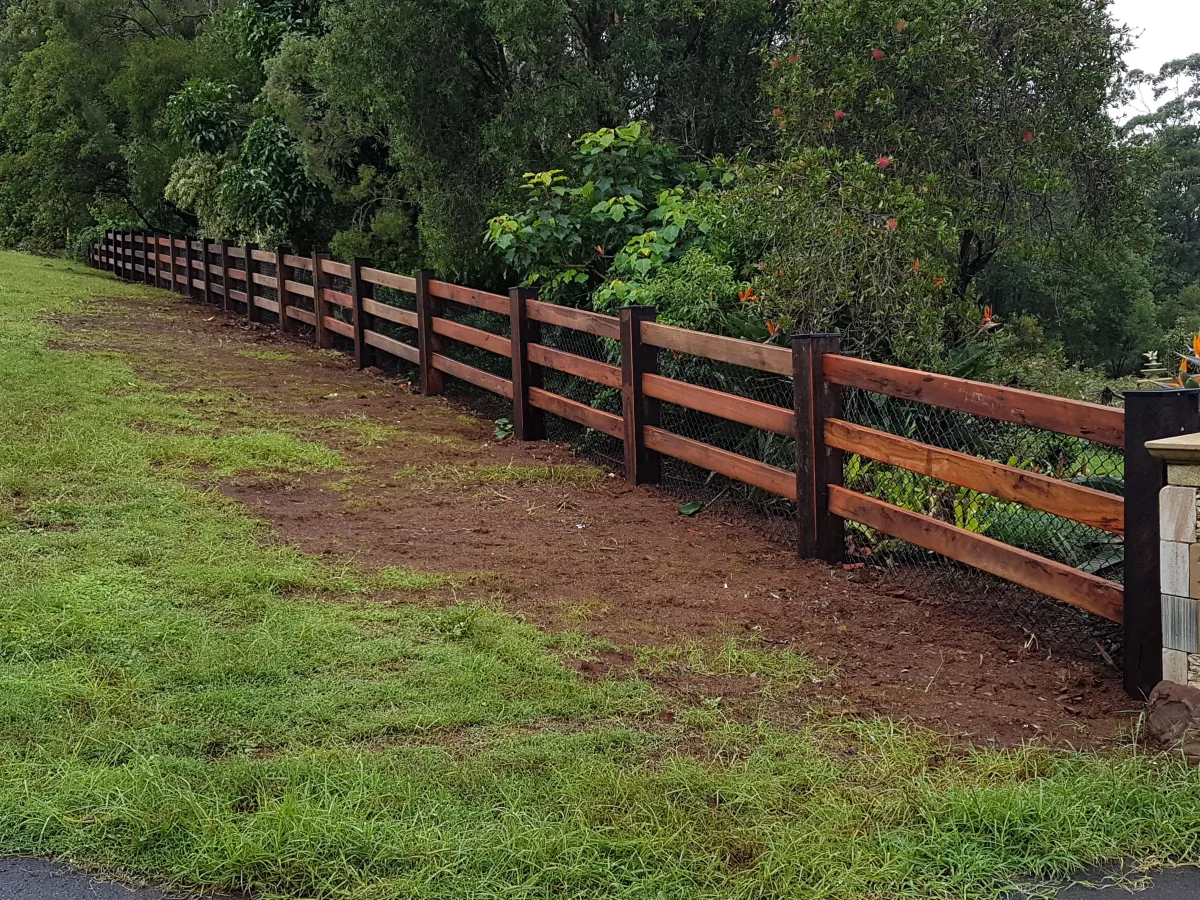
Reliable and sturdy fencing solutions designed to protect and define rural properties, combining practicality with a classic country look.
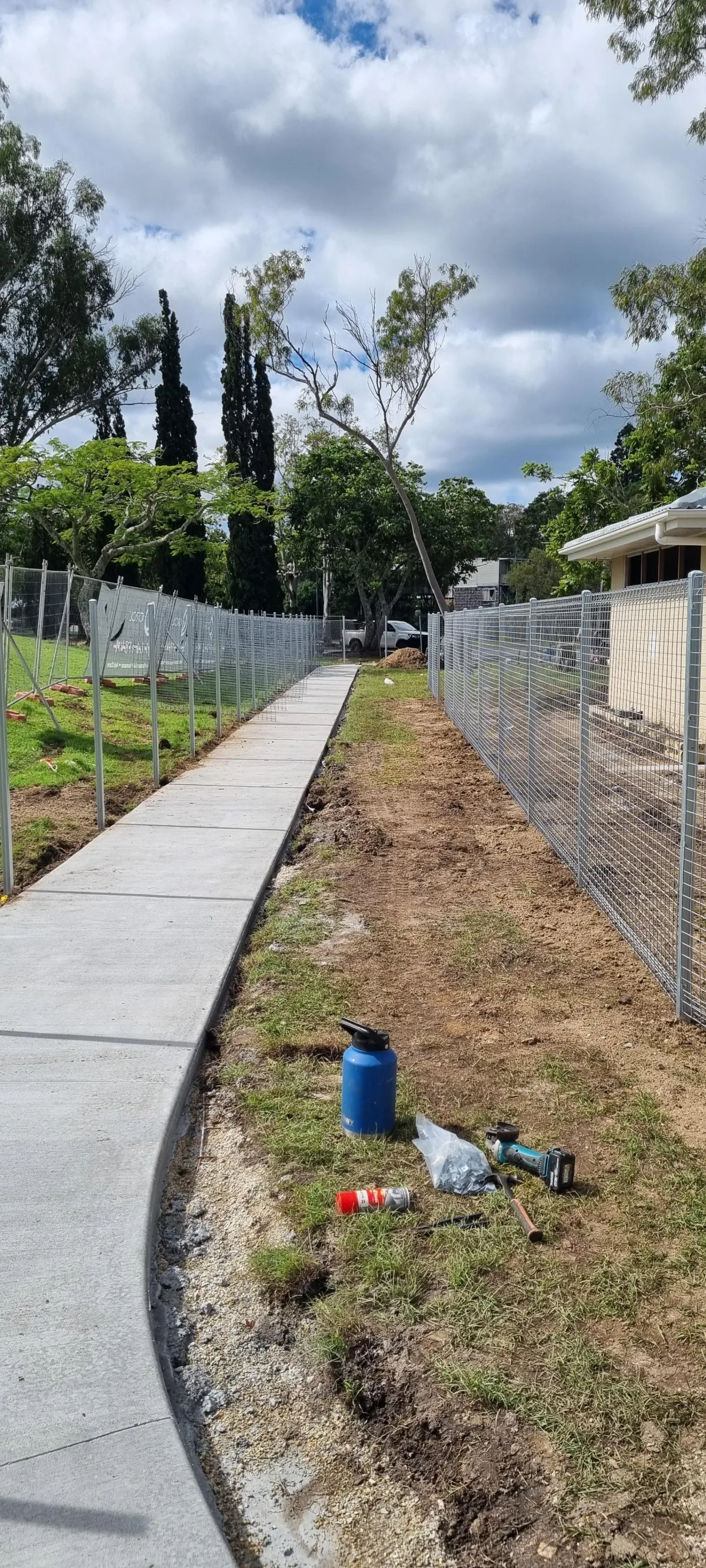
WELDMESH FENCE
Strong, secure, and low-maintenance fencing ideal for rural, residential, or commercial spaces, offering excellent visibility and durability.
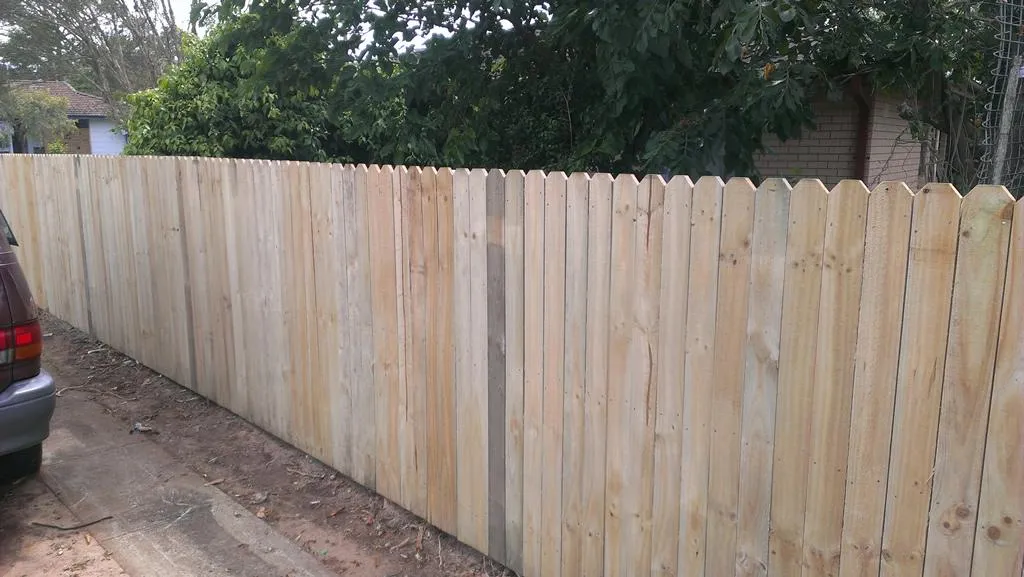
TIMBER FENCE
Natural warmth and timeless appeal, with a range of designs to suit both traditional and modern properties.
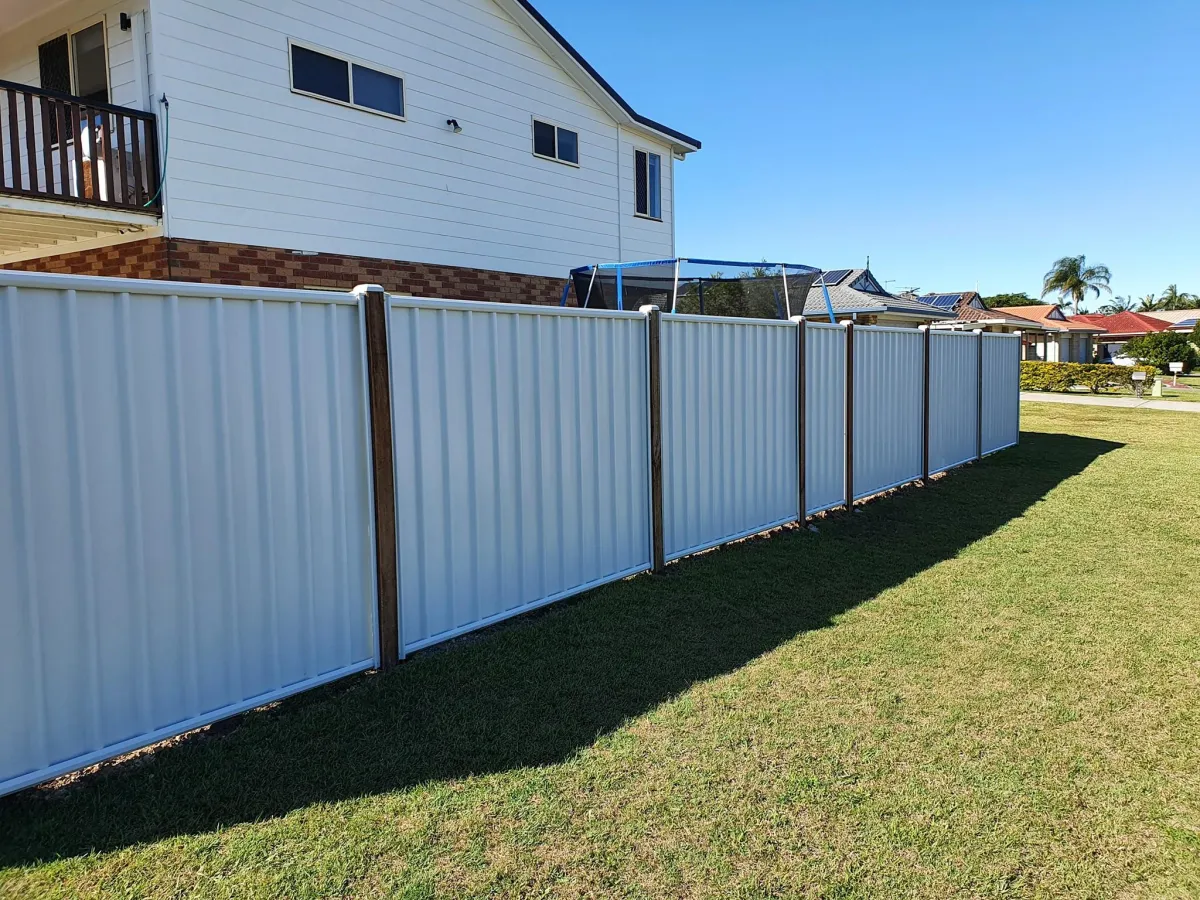
COLORBOND FENCE
Sleek, durable steel fencing in a variety of colours, offering privacy, style, and long-lasting protection.
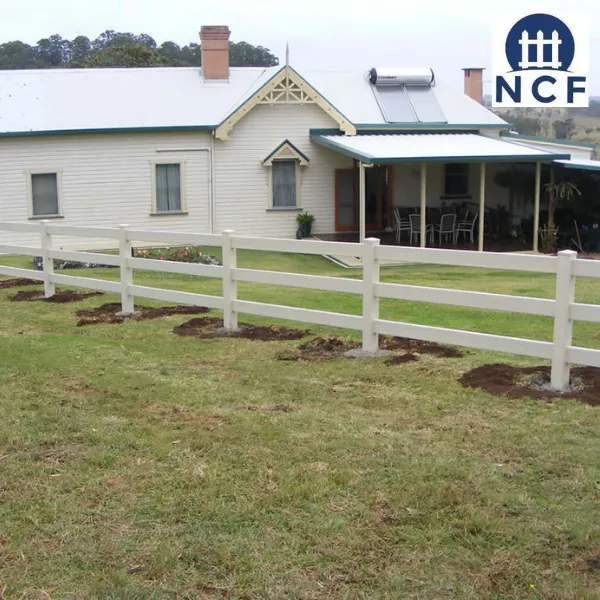
PVC FENCE
Low-maintenance, weather-resistant fencing with a clean, modern finish that never needs painting.
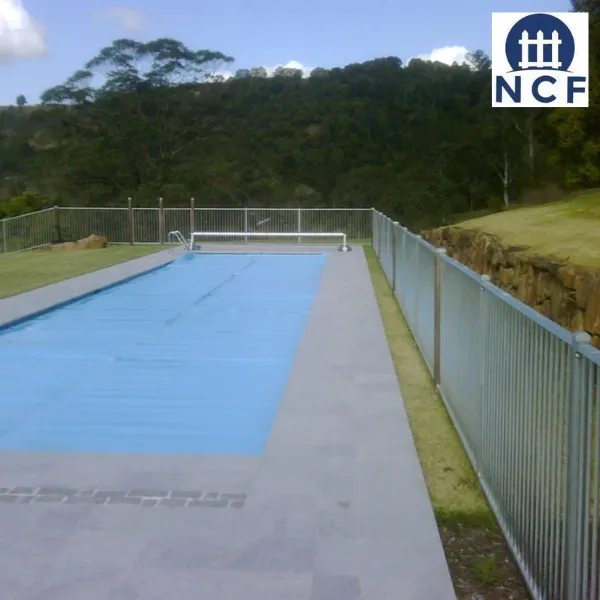
POOL FENCE
Safe, stylish, and compliant pool fencing designed to protect your loved ones without compromising the view.
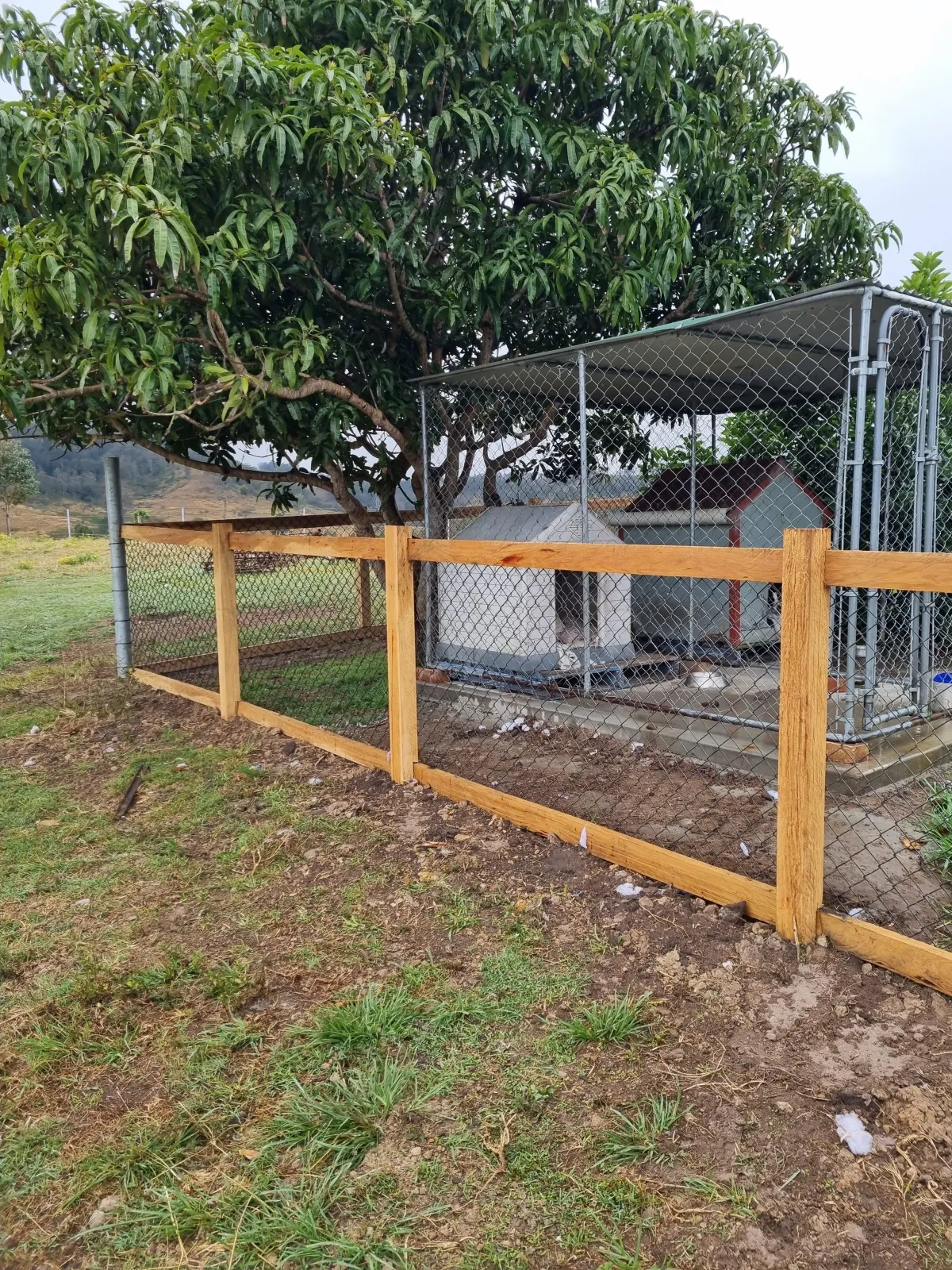
DOG CAGES
Custom-built, secure enclosures to keep your pets safe, comfortable, and protected.
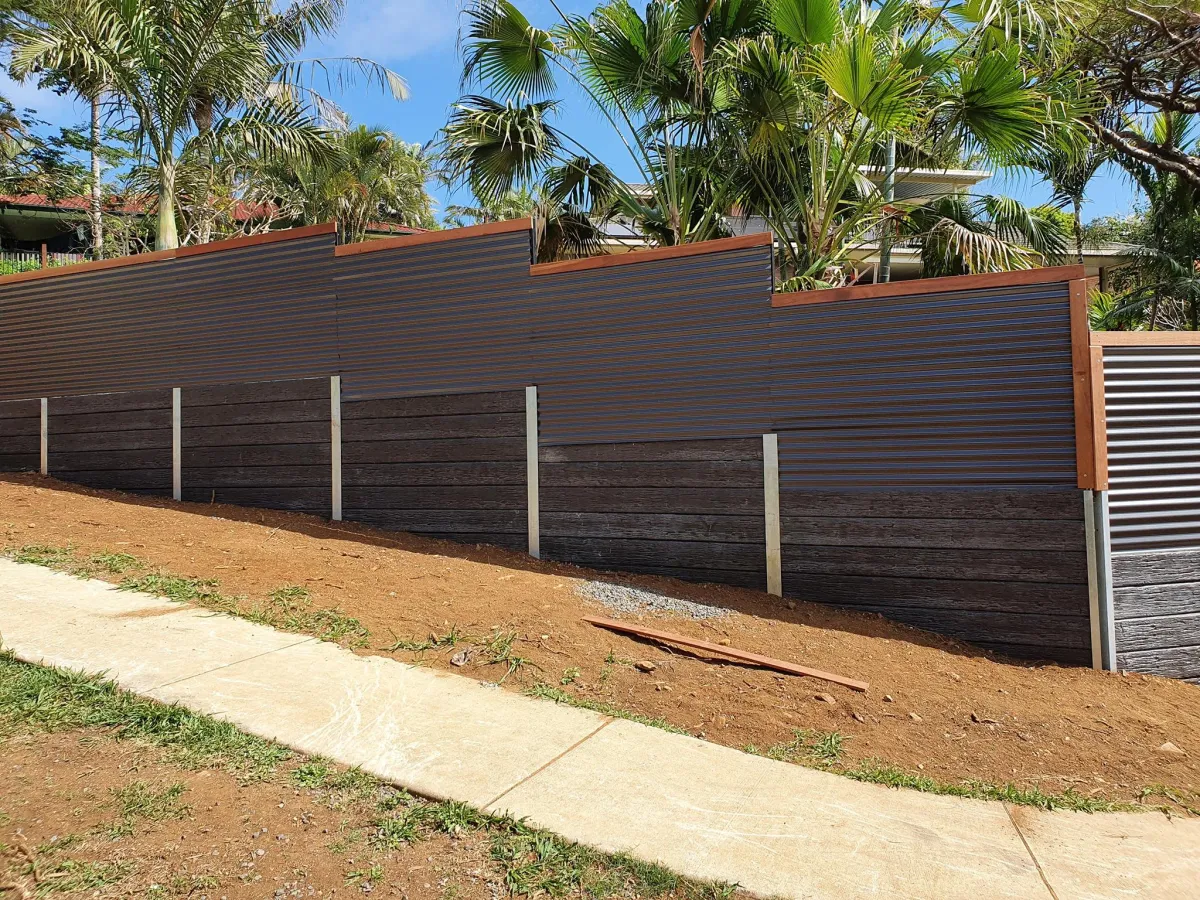
Custom Decks, Pergolas, Entrance Ways & Carports
Bespoke outdoor structures crafted to enhance your home’s functionality, style, and outdoor living space.
Trusted by Locals Across Northern Rivers NSW
North Coast Fencing specializes in high-quality fences that enhance your property’s privacy, security, and curb appeal. Serving communities from Ballina to Byron Bay and throughout the Northern Rivers NSW - we offer expert Colorbond, timber, and custom fencing solutions for both residential and commercial properties.
Crafting Future-Ready Spaces
With 30 years of experience, our team uses premium materials and expert craftsmanship to deliver fences that last. We cater to various needs, from privacy to street appeal, ensuring your fence complements your property and stands the test of time.
Excellence in Every Build
From concept to completion, we ensure every fence is built with precision and quality. At North Coast Fencing, we are committed to delivering exceptional results that provide lasting value.
OUR TESTIMONIAL
Voices of Our Satisfied Customers
WHY
NORTH COAST FENCING
At North Coast Fencing, we’re proud to be the trusted fencing experts across the North Coast region. With a strong reputation built on quality, reliability, and customer care, we’re here to deliver fencing solutions you can count on — every time.




Reliable and Dependable Fencing Services
Over 40 Years of Local Fencing Expertise
Skilled and Qualified Professionals
Personalised Service, Every Step of the Way
We are committed to providing fencing solutions that offer lasting peace of mind. Whether it's a rural, residential, or commercial project, you can trust us to deliver work that stands the test of time.Headline
With decades of experience under our belt, our team understands the unique needs of properties in the North Coast area. From harsh coastal weather to rural landscapes, we tailor every fence to perform and protect.
Our team is made up of highly trained and passionate fencing specialists. Every project is handled with care, precision, and a focus on exceeding your expectations.
North Coast Fencing, no two jobs are the same. We take the time to listen, plan, and deliver a custom solution that matches your needs, style, and budget. Your satisfaction is at the heart of everything we do.
OUR WORK
Showcasing Our Expertise, One Project at a Time
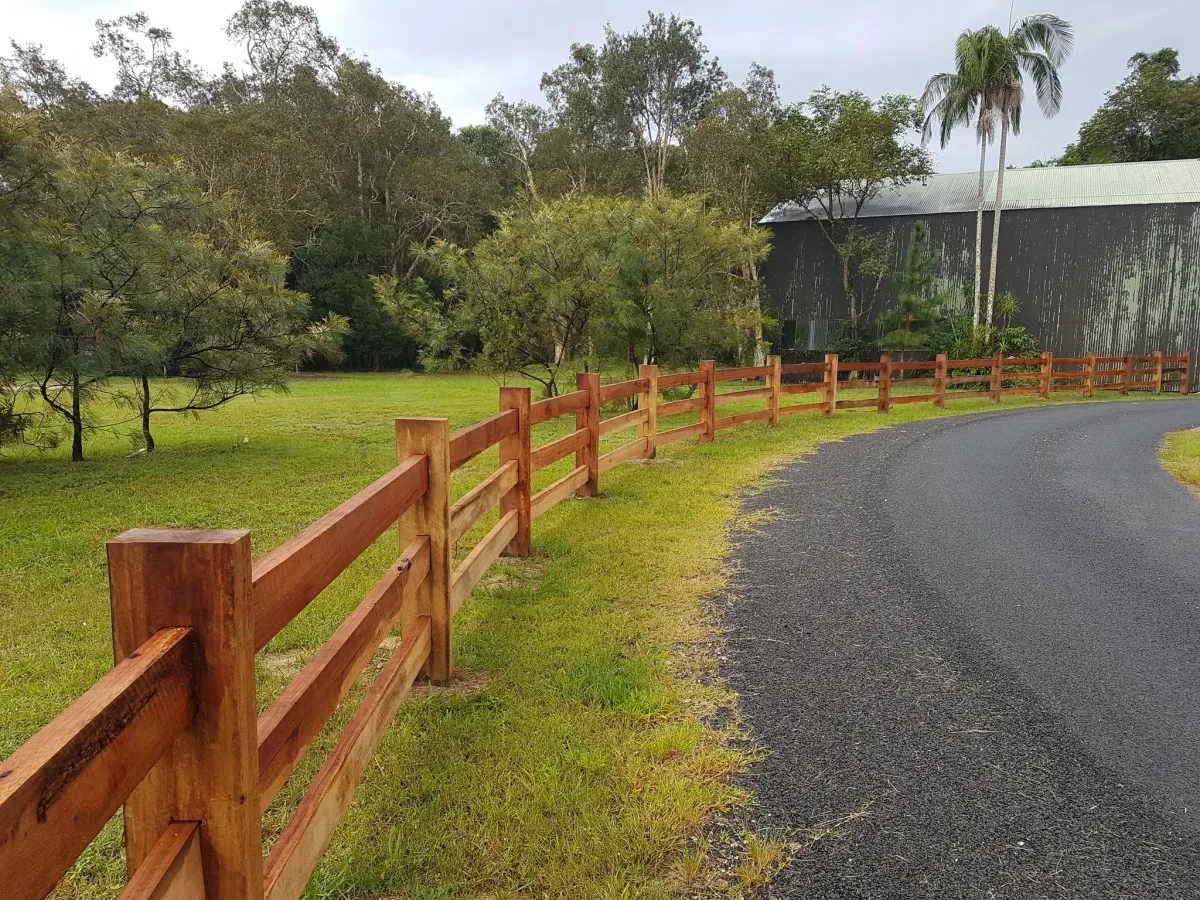
RURAL
Covering an area from the north coast, across to Warwick QLD and further west throughout QLD & Western NSW and down …
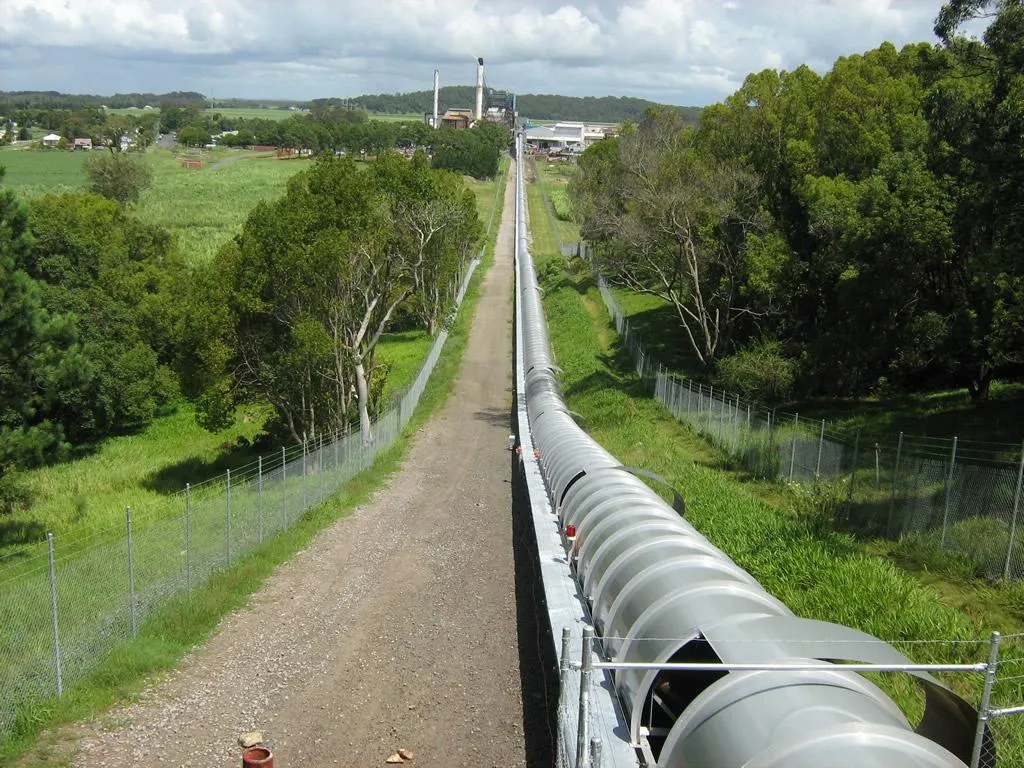
COMMERCIAL
We construct fencing for all commercial applications. Our dependable, sturdy installations include: chainmesh, timber …
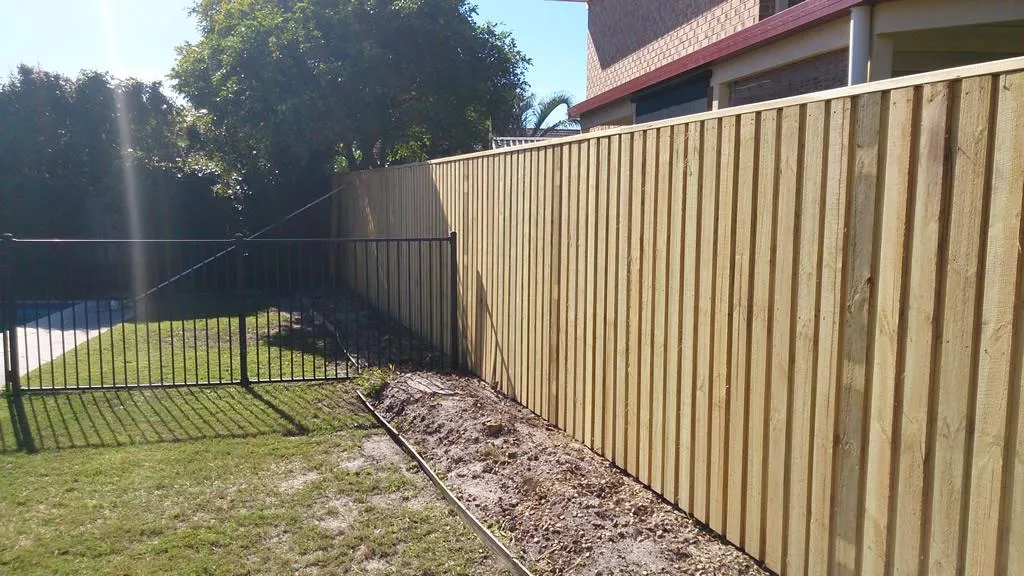
RENOVATION,REMODEL
Our residential projects cover a wide range of functions and materials, including: Colorbond® Timber …
The NORTH COAST FENCING Process
Your Hassle-Free Fence Installation
We keep things simple, so you can enjoy a fence that’s built right from first call to final post.








We’re committed to building with quality craftsmanship and integrity that lasts a lifetime.


Quick links
Services
© North Coast Fencing. 2026. All Rights Reserved.